
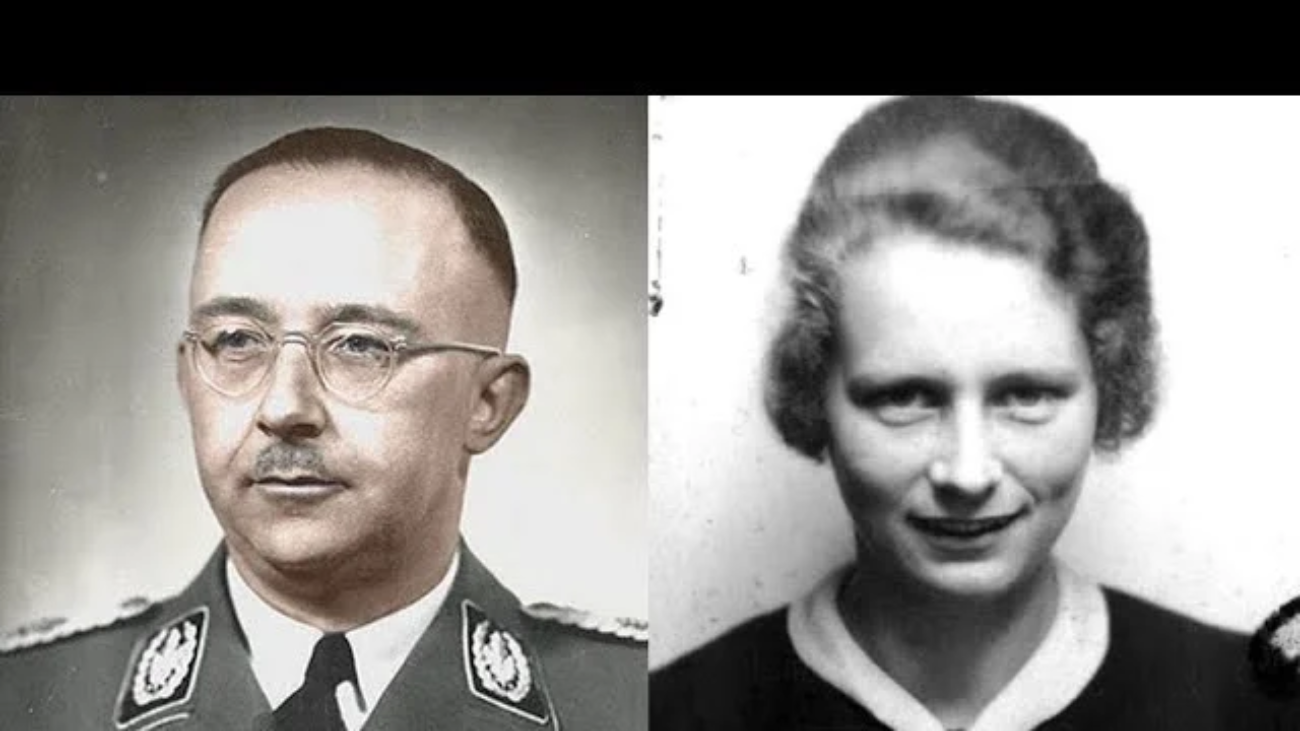
Most people come across the name Helge Potthast through genealogy databases rather than history books. That alone says a lot about who he was — not a public figure, not a celebrity in any traditional sense, but someone whose name carries historical weight because of his parentage.
This article covers what is publicly confirmed about Helge Potthast: his birth details, his family relationships, the background of his mother Hedwig Potthast, and why this particular family connection continues to surface in historical and genealogical searches decades later.
The Basic Facts About Helge Potthast
Helge Potthast was born on 15 February 1942 at the Hohenlychen Sanatorium in Germany. According to genealogy records on Geni and Find a Grave, he died in 2005.
Beyond those dates, very little public information exists about his personal life. He was not a public figure in his own right. He did not hold public office, pursue a public career, or appear in mainstream biographical records. His name surfaces in historical searches almost entirely because of who his parents were.
Details such as his education, occupation, or whether he had a family of his own are not documented in any reliable public source. Any article that claims to know those details should be read with caution.
His Parents — Hedwig Potthast and Heinrich Himmler
Helge Potthast was the son of Hedwig Potthast and Heinrich Himmler. That relationship is the reason his name appears at all in historical discussions.
Hedwig Potthast began working as Himmler’s private secretary in 1936. By 1938, she had become his mistress. Himmler remained married to his wife, Margarete, throughout this period. Hedwig and Himmler never married, but they had two children together — Helge being the first.
Heinrich Himmler served as the head of the SS and was one of the most powerful figures in Nazi Germany’s leadership structure. That context is what gives this family story its historical gravity. Himmler was not simply a government official; he was among the central architects of some of the worst crimes of the Second World War. That is why the existence of his children — and their descendants — continues to draw public and scholarly interest.
Helge himself had no role in any of that. He was born into those circumstances as a child, with no agency in who his father was or what his father did.
Helge’s Sister, Nanette-Dorothea Potthast
Helge had one known sibling: a sister named Nanette-Dorothea Potthast. She was born on 20 July 1944, making her approximately two and a half years younger than Helge.
Both children carried the Potthast surname — their mother’s name — rather than Himmler’s. This is one of the reasons tracing their later lives through public records can be difficult. The Himmler name does not appear in their official documentation.
No verified public information about Nanette-Dorothea’s adult life exists in reliable sources. Like her brother, she was never a public figure. Her birth details and family connection are confirmed through Wikipedia’s entry on Hedwig Potthast and the Geni family page, but nothing further is documented in any trustworthy public record.
What Happened to Hedwig Potthast After the War
Heinrich Himmler died by suicide in May 1945, shortly after Germany’s defeat. That left Hedwig Potthast to raise Helge and Nanette-Dorothea alone in the post-war period.
Hedwig later married a man named Hans Georg Adolf Staeck and took the surname Staeck. This name change is part of why tracing the Potthast children through later records becomes complicated for genealogy researchers. The family effectively moved forward under a different name.
In post-war interviews, Hedwig reportedly avoided direct discussion of Himmler’s crimes. This is noted in available biographical sources, though the detail of those conversations is not extensively documented in the public record. She lived into the post-war decades, but she did not seek a public profile.
The surname change to Staeck, combined with the family’s general absence from public life, is the main reason Helge and Nanette-Dorothea’s later years are so difficult to verify through mainstream sources.
Why Helge Potthast Appears in Genealogy Databases
When someone searches for Helge Potthast, they will almost certainly land on family-tree websites rather than encyclopedia entries or news archives. That is simply because Helge was never a public person. There is no conventional biography to write about him.
What genealogy platforms like Geni and Find a Grave do is preserve birth and death records, family relationships, and lineage details for individuals who would otherwise leave no public trace at all. For someone like Helge — a private person connected to a historically significant figure — those databases become the primary record.
It is worth being careful with those sources, though. User-generated genealogy pages can contain errors, assumptions, or unverified additions. The most reliable details — Helge’s birth date of 15 February 1942, his death year of 2005, and his immediate family relationships — are consistent across multiple sources. Private-life details that only appear on one user-submitted page should not be treated as confirmed fact.
The broader pattern here is not unusual. Many children of historically notorious figures lived private lives afterward and left minimal public records. The Next Business Tips approach to covering figures like Helge is to stick to what the sources actually confirm, rather than filling gaps with speculation.
Helge’s case fits that pattern closely. The interest in his name is real and understandable — people want to know what happened to Himmler’s children. But the honest answer is that the public record is thin, and most of what is known stops at the genealogical level: names, dates, and family connections.
A Note on Historical Sensitivity
Writing about the children of Nazi leaders requires a clear separation between the parent’s actions and the child’s identity. Helge Potthast bore no responsibility for what Heinrich Himmler did. He was an infant during the war years and a child when it ended.
The reason his name carries historical context is not because of anything he did, but because of who his father was. That distinction matters. Historical interest in this family line is legitimate — understanding how figures like Himmler lived, who they were connected to, and what happened to those connections after the war is a valid area of historical research.
But that interest should not translate into treating Helge or his sister as extensions of Himmler’s legacy in a personal sense. They were private individuals who lived private lives, and the public record respects that by offering very little beyond the basic facts.
Summary of What Is Confirmed
- Helge Potthast was born on 15 February 1942 at the Hohenlychen Sanatorium.
- He died in 2005, according to genealogy records.
- He was the son of Hedwig Potthast and Heinrich Himmler.
- His sister, Nanette-Dorothea Potthast, was born on 20 July 1944.
- Both children carried the Potthast surname, not Himmler’s.
- Hedwig Potthast later married Hans Staeck and used the name Staeck after the war.
- No verified public information exists about Helge’s personal life beyond these points.
Helge Potthast is not a name that belongs in a celebrity profile in the usual sense. He was a private person who happened to be born into one of the most historically scrutinized families of the twentieth century. The records that survive are thin, the confirmed details are few, and the most responsible way to discuss him is to stay within the boundaries of what those records actually show.
Also Read: