
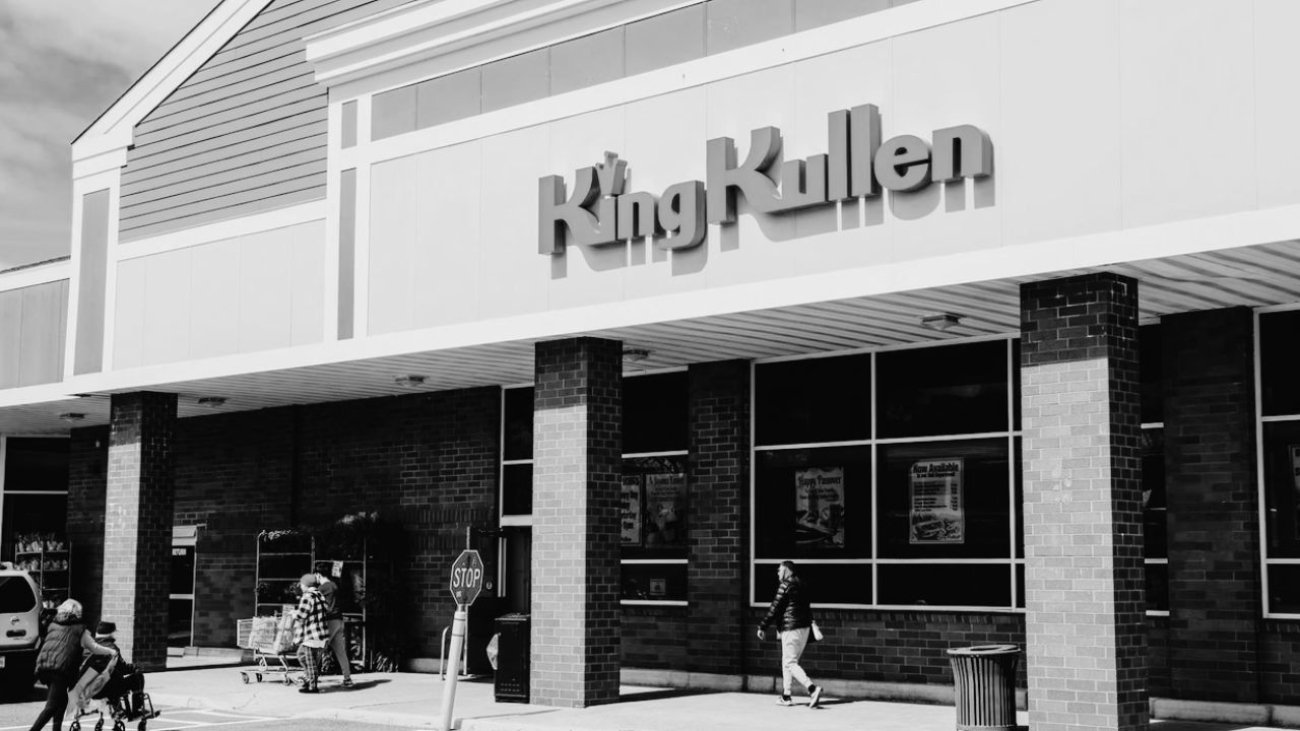
If you follow Long Island news or spend time on local social media, you may have seen people saying King Kullen is finished. Several store closures in recent years have fueled that rumor. But the conclusion is wrong — and worth clearing up with actual facts.
This article covers what King Kullen is, which stores have closed and why, how many locations are still open, what the company has said about future closures, and what this pattern means for shoppers in the region.
King Kullen Is Not Going Out of Business — But It Is Getting Smaller
Let’s answer the main question first. King Kullen is not shutting down. The company has not filed for bankruptcy and has made no announcement of a full closure.
As of the most recent reports, King Kullen operates 24 supermarket locations across Long Island, along with 4 Wild by Nature natural food stores. After the Hewlett store closed in May 2026, the company stated clearly: “At this time, there are no additional scheduled store closings.”
That matters. Closing individual stores is not the same as a company going out of business. These are two very different things, and the difference is easy to miss when closures get covered back to back in local news.
A Quick Background on King Kullen
King Kullen was founded on August 4, 1930, by Michael J. Cullen. The company is headquartered in Hauppauge, New York, and is considered one of the earliest supermarket chains in the United States.
The chain has always operated exclusively on Long Island. It also runs Wild by Nature, a sister brand focused on natural and specialty foods, with four stores still in operation.
As recently as 2021, King Kullen had 27 locations. That number gives you a useful baseline for understanding how much the chain has contracted — and how gradually it happened.
Which Stores Have Closed and When
The recent pattern of closures started in 2022. Here is a straightforward timeline:
- 2022: The Lake Ronkonkoma and North Babylon stores closed. These were among the earliest in the current wave of closures.
- October 2024: The Levittown store closed after 30 years of operation. At that point, 26 King Kullen locations remained.
- 2025: The Middle Island store closed after 34 years. It was noted as the fourth King Kullen to close since 2022. Residents raised concerns about reduced grocery access in that area.
- May 21, 2026: The Hewlett store on Peninsula Blvd closed after 45 years. This was the ninth King Kullen to close since 2019, bringing the total down to 24 locations.
Each closure reduced the store count by one. The company did not collapse overnight — it contracted slowly over several years, which is a very different situation from going out of business.
Why These Stores Closed — Leases and Competition
Store closures do not always mean a company is in financial trouble. Sometimes the reason is simpler than that.
In the case of the Hewlett store, the company said the decision came down to lease terms. The lease options expired, and King Kullen could not reach favorable renewal terms with the landlord. That was it. There was no dramatic financial collapse behind that specific closure.
Think of it this way: if you rent a commercial space and the landlord wants to triple the rent at renewal, you may choose to leave — not because your business is failing, but because the terms no longer make sense. That is essentially what happened in Hewlett.
The broader pattern across other closures is connected to competitive pressure. Newsday noted that King Kullen has faced growing competition from discount chains and specialty grocers across the region. Regional supermarket chains across the country have struggled to compete as larger discounters, warehouse clubs, and upscale grocers take market share. King Kullen is not unique in facing this pressure.
So the closures reflect two things happening at once: site-specific lease problems at some locations, and market-level pressure across the chain as a whole.
What Happens to Employees When a Store Closes
One practical concern whenever any business closes locations is what happens to the people who work there.
King Kullen addressed this directly for the Hewlett closure. The company stated that all employees would be offered positions at other store locations. That does not guarantee every worker accepts or gets an equivalent role, but it shows the company is not simply abandoning staff.
The emotional reaction from Hewlett shoppers on the final day was notable — local reports described customers in tears. That response reflects how central a neighborhood grocery store can be to a community. It also underscores why individual store closures feel significant even when the company continues to operate elsewhere.
What This Means for Long Island Shoppers
If your local King Kullen is still open, there is no current indication it is about to close. The company’s statement after the Hewlett closure confirmed no additional store closings were scheduled at that time.
That said, retail conditions can shift. Lease renewals, competitive dynamics, and regional economics all play a role. The most reliable way to check whether a specific location is still operating is to go directly to the King Kullen website or check local news sources.
For communities that have already lost a store — like Middle Island — the impact is real. Fewer nearby options can mean longer travel times and less price competition. This is a genuine concern in areas where King Kullen was the primary grocery option, and it is worth local attention even if the broader chain remains open.
If you run a small business or manage operations in a region where a key retail anchor closes, it is worth paying attention to how supplier relationships and foot traffic patterns shift. Resources like Next Business Tips can help you think through how local market changes affect your business planning.
Is This Strategic Downsizing or a Sign of Deeper Trouble?
Honestly, it looks like a mix of both — with an emphasis on the former.
Closing nine stores since 2019 while keeping 24 open is not what a company in freefall looks like. A company in freefall closes everything quickly. What King Kullen appears to be doing is trimming locations where the math no longer works — bad lease terms, weak foot traffic, or intense local competition — while holding onto stores that are still performing.
This is sometimes called store rationalization. It is a common move for regional chains that expanded aggressively in earlier decades and now need to right-size their footprint. It is not comfortable for the communities that lose stores, but it is not the same as going out of business.
The risk is that contraction can feed itself. Fewer stores mean less buying power and less brand visibility, which can make it harder to compete. King Kullen has been navigating that tension for years. Whether the current 24-store footprint is the floor or just a waypoint is something only time will tell.
The Bottom Line
King Kullen is not going out of business. It is a smaller chain than it was five years ago, and closures in communities like Hewlett, Middle Island, and Levittown have real consequences for local shoppers.
But the company continues to operate, has made no bankruptcy filing, and has explicitly said there are no additional store closures currently scheduled. Nine closures since 2019 reflects a genuine pattern of contraction — driven by lease issues and competitive pressure — not a chain in its final days.
If you have a King Kullen nearby, check its status directly. And if you are watching this situation as a business observer, the King Kullen story is a practical example of what happens when regional chains face the slow squeeze of changing markets without the scale to fight back on every front.
Also Read: